
One interface package
Loads, openings, power, earthing, BMS, access control, and fire signals are reviewed together.
PT21 / For engineers
Engineering coordination covers the shaft, structure, power, controls, monitoring, safety, and installation readiness.

Practical advantages
Verified interfaces, clear responsibility boundaries, and fewer conflicts on site.
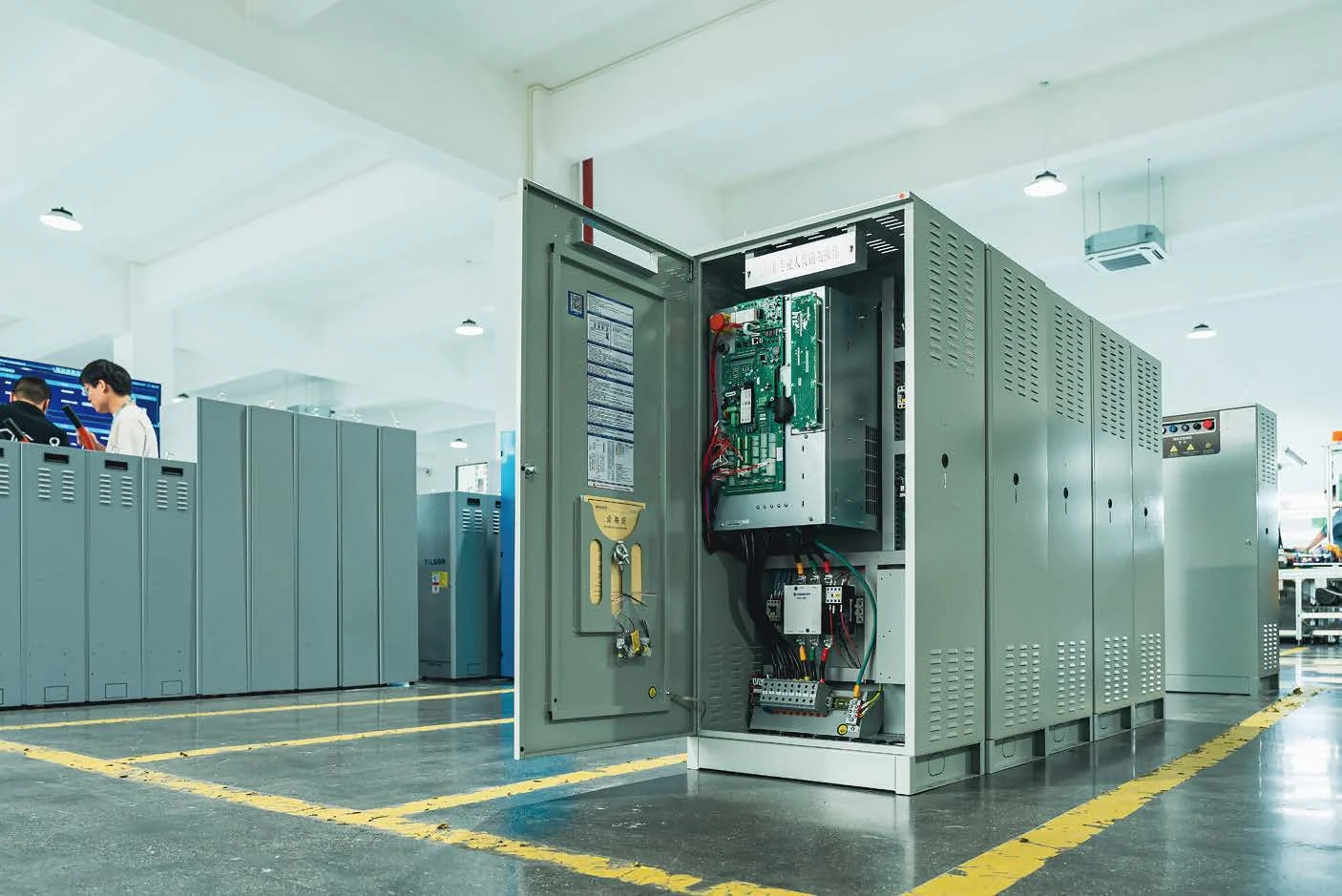
Loads, openings, power, earthing, BMS, access control, and fire signals are reviewed together.
The team records who provides the shaft, power, signals, access, installation conditions, and acceptance checks.
A checklist and photo record identify geometry, dryness, access, and power issues before installation starts.
The signal matrix, operating scenarios, tests, and handover set create a clear commissioning procedure.
Working questions
Openings, fixings, loads, tolerances, pit waterproofing, and technical access are defined.
Power, incoming supply, earthing, shaft lighting, backup modes, and connection points are defined.
BMS, monitoring, access control, fire scenarios, and priority modes are described before programming.
Before delivery, geometry, cleanliness, dryness, power, access, and safe working conditions are checked.
Resources
Model-specific files follow configuration selection so the team does not design from unsuitable information.
Plans, sections, and interface dimensions for the selected solution.
Request resourceCoordinationStructure, power, BMS, access, fire, and installation requirements.
Request resourceInstallationChecks for shaft, power, access, storage, and installation conditions.
Request resourceWorking sequence
Next step
State the building, stage, document discipline, and required outcome.
Send question